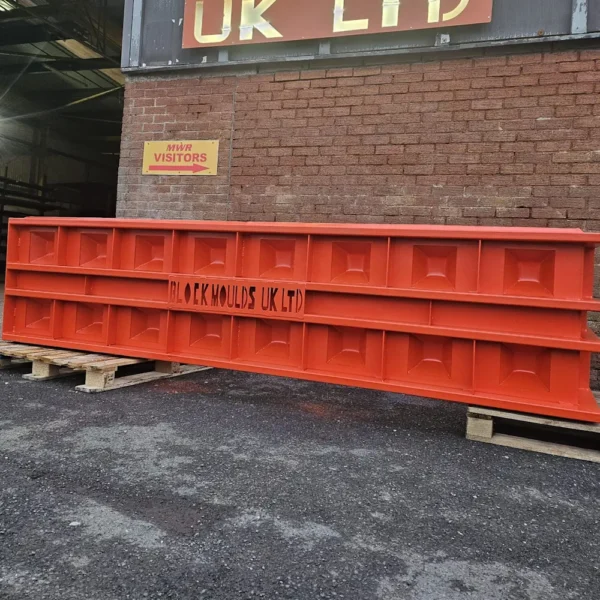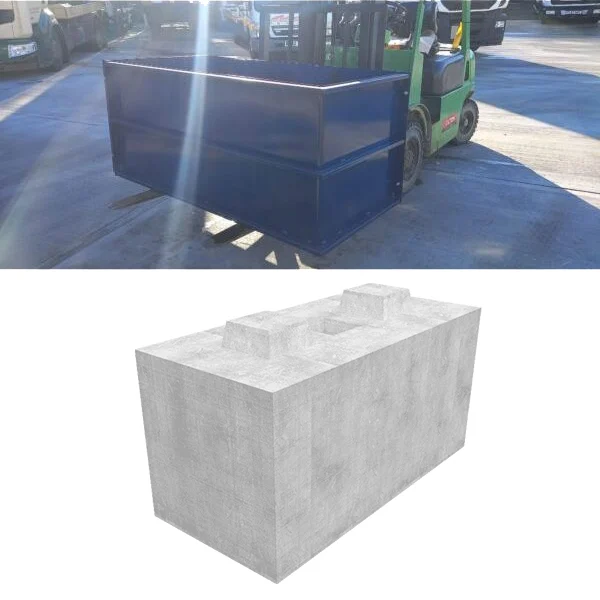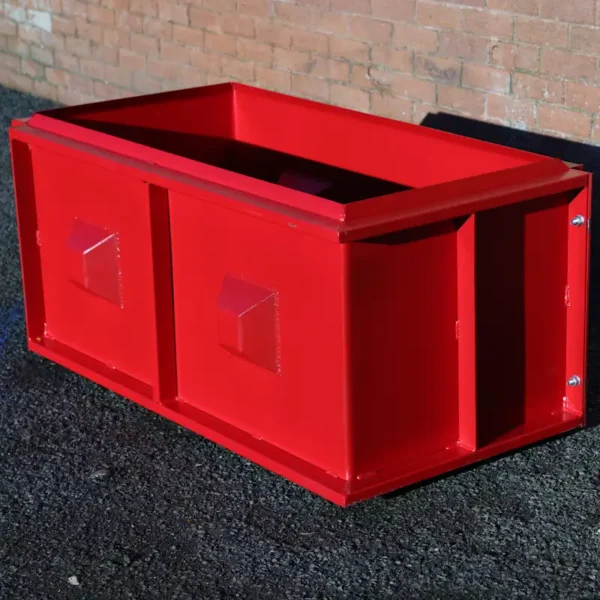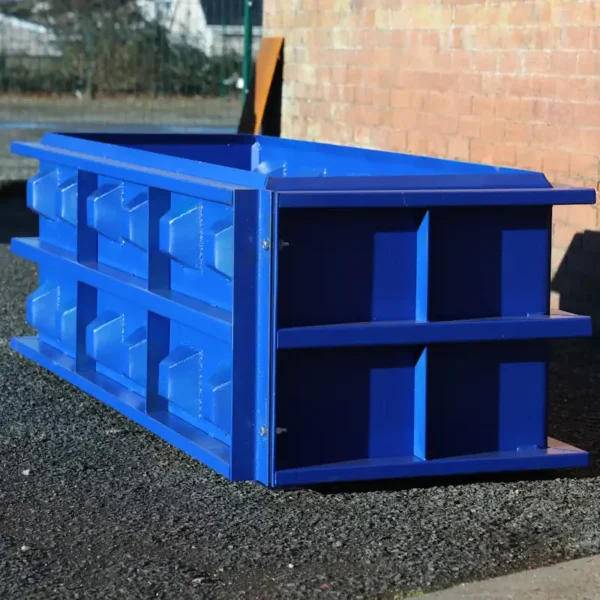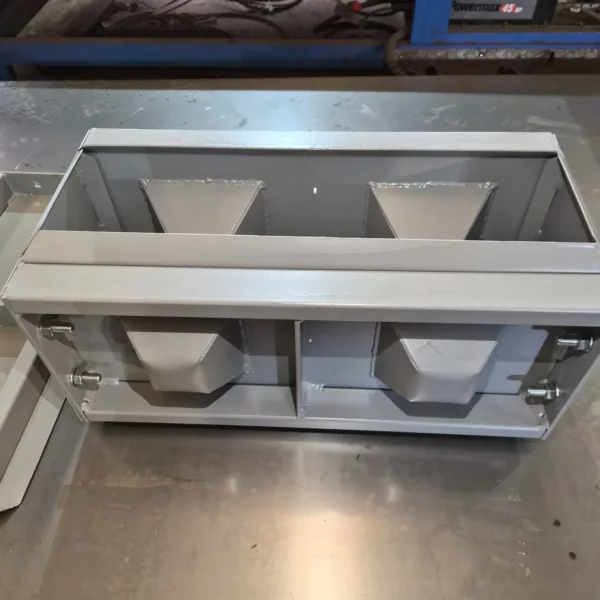
Concrete block moulds are an essential tool in the construction industry. These moulds are used to create concrete blocks, saving money by recycling waste concrete.
Concrete block moulds are commonly manufactured from steel or other durable materials and are designed to withstand repeated, heavy use. Because block moulds are used in demanding environments, strength, accuracy, and long-term durability are essential to ensure consistent block production over time.
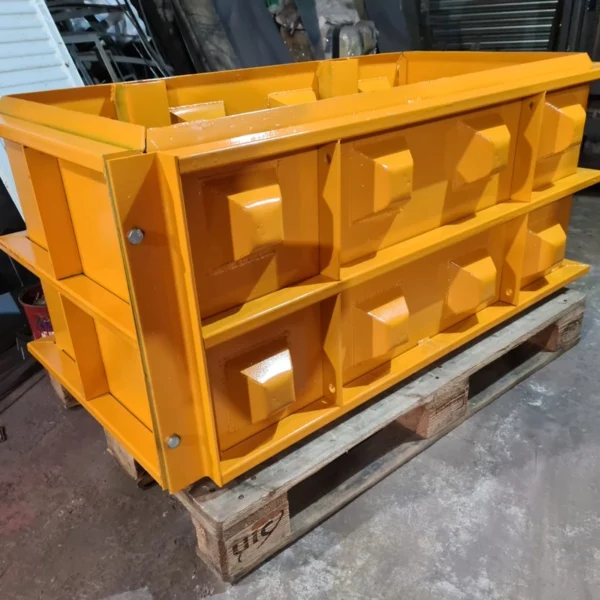
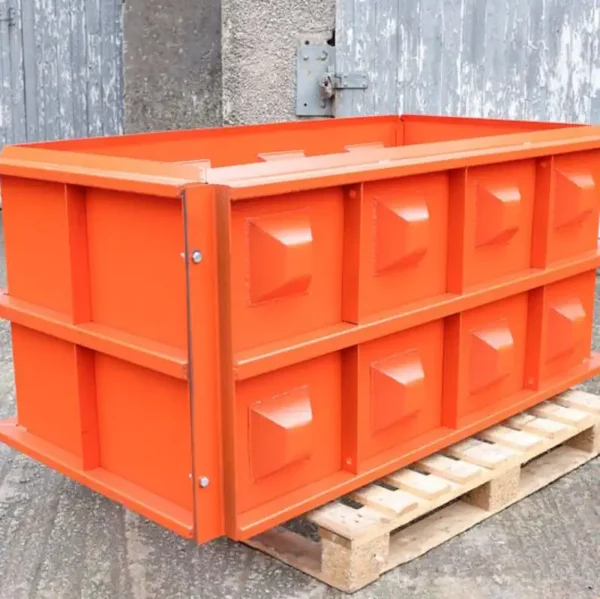
There are several different types of concrete block moulds available, each suited to specific applications. Kentledge block moulds are used to produce large, heavy concrete blocks that provide stability and weight. These blocks are often used for retaining walls, barriers, and structures where strength and mass are required.
Interlocking block moulds are designed to create concrete blocks that lock together without the need for mortar or additional fixing. These blocks are widely used for storage bays, retaining walls, and temporary or permanent structures where flexibility and speed of construction are important. Interlocking concrete block moulds also allow blocks to be repositioned or reused when layouts change.
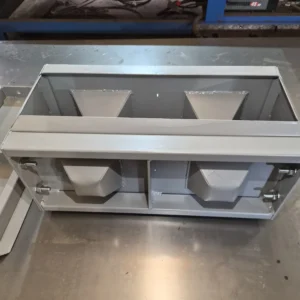
Another commonly used option is U block moulds, which produce blocks shaped like the letter “U”. These concrete blocks are often used in retaining wall construction and other applications where added support and stability are needed.
One of the main advantages of using concrete block moulds is the level of control they provide over block size and shape. Rather than relying on pre-made blocks, block moulds allow concrete blocks to be produced to specific dimensions, making them suitable for a wide range of construction and industrial uses.
Concrete block moulds also support cost-effective and environmentally conscious production. Leftover concrete, aggregates, and other suitable materials can be reused within the mould, reducing waste and improving material efficiency. This approach allows usable concrete blocks to be produced from materials that might otherwise be discarded.
Producing concrete blocks using block moulds can also reduce transport requirements. By manufacturing blocks closer to where they are needed, time and costs associated with delivery can be lowered, while also reducing the environmental impact linked to transportation.
In addition to these benefits, concrete block moulds are built for longevity. Manufactured from robust materials, block moulds are designed to maintain their shape and performance over extended periods of use, making them a reliable and long-term solution for concrete block production.